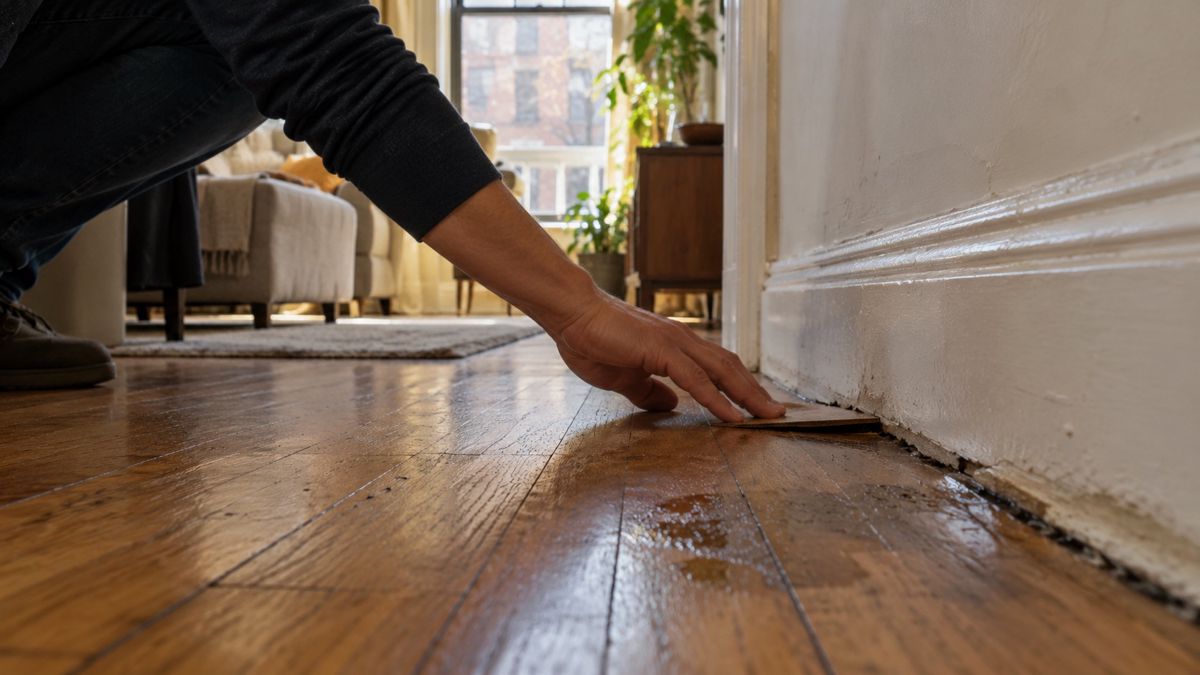
A hidden slab leak usually shows itself through small clues: a warm patch on the floor, the sound of water when nothing is running, damp flooring or a water meter that keeps moving. If you see two or more of these, treat it as a real possibility and have it checked before the damage spreads.
Slab leaks are less common in New York City than in places where every house sits on a concrete slab. But they do happen, and in a city of shared walls and floors, a small hidden leak can become a bigger problem for the people next to you.
Do New York City homes really have slab leaks?
Yes, in certain kinds of homes. Most pre-war buildings run their pipes through walls, ceilings and basements, so a leak there is not a slab leak. The ones to think about are these.
- Ground-floor and garden-level apartments built on a concrete floor.
- Houses and additions built slab-on-grade, which you find in parts of Queens, Brooklyn and Staten Island.
- Newer townhouses and condo buildings with pipes in or under the floor.
- Basement floors with drains or supply lines buried below the concrete.
- Homes with heating pipes set into the floor.
A slab leak means a leak in a water or drain pipe that runs under or inside a concrete floor. Because the pipe is hidden, the water can run for weeks before anyone notices.
What are the most common signs of a hidden leak?
You will not see the pipe, so you look for the effects. None of these proves a slab leak alone. Several together make it likely.
Sounds and feel
- You hear a faint hiss or running water when all fixtures are off.
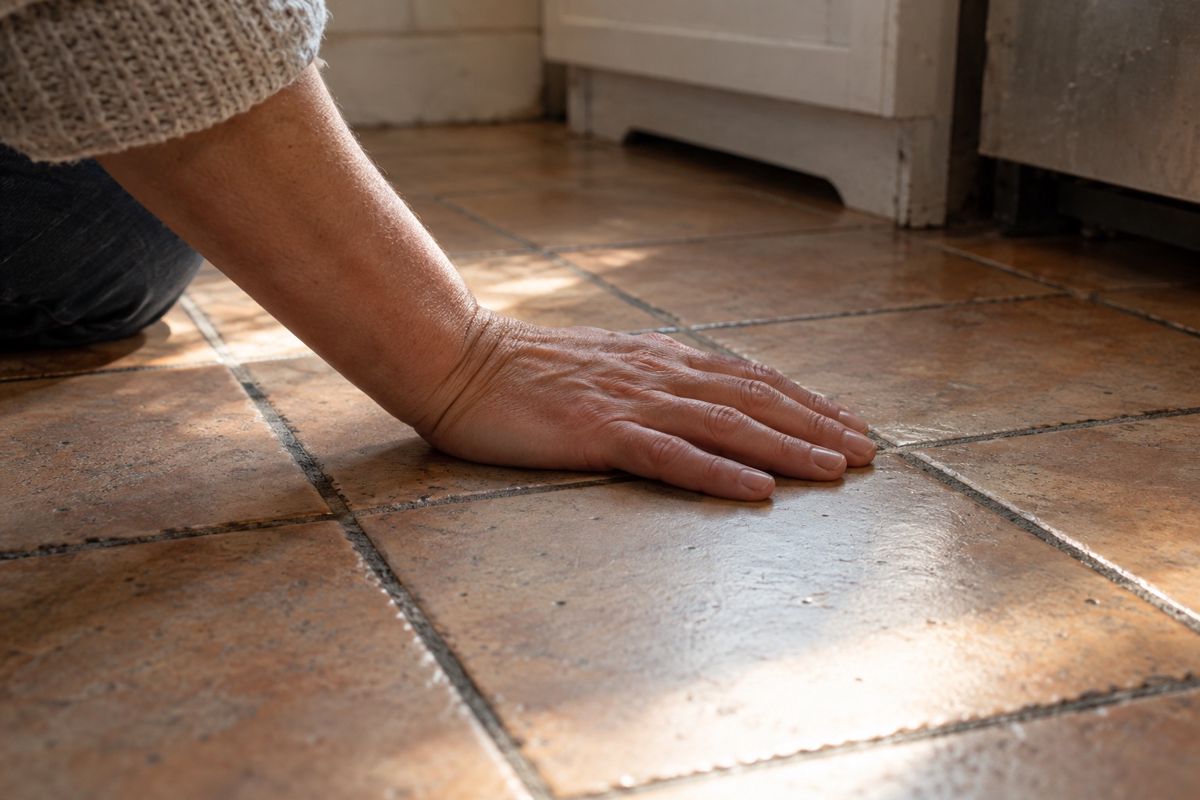
- A part of the floor feels warm, which can point to a leaking hot water line.
- The water heater seems to run all the time.
What you can see and smell
- Damp carpet, curling vinyl or floorboards that lift or cup.
- Cracked tile or grout lines with no other cause.
- A musty smell or mold along baseboards and in closets.
- Water at the base of a wall or a stain that keeps coming back.
Use and pressure
- Low water pressure in places that used to be fine.
- A water meter that keeps moving with every fixture closed.
Why can the water bill mislead you?
Many people expect a leak to show up as a jump in the bill. That works in some homes and fails in others.
If you own a house, you are billed for the water you use, so a leak will raise the bill, but only after a billing cycle or two. By then the floor may be wet. If you live in a co-op or condo, water is often included in the monthly maintenance or common charges. You can lose a lot of water without ever seeing a change in what you pay.
So do not wait for the bill. Treat the sounds, the warm spots and the damp flooring as the real alarm, and tell your building if you suspect a leak. Water under one unit tends to end up in another.
What causes leaks under a floor in older homes?
Pipes under a slab fail for a few common reasons.
- Corrosion. Metal pipe wears from the inside over decades, and pinholes form. This affects older copper and steel lines.
- Movement. Settling ground or a shifting slab can put stress on a pipe, especially at joints.
- Poor installation. A pipe that rubs against concrete or a sharp edge can wear through slowly.
- Hot water lines. Heat makes pipes expand and contract, which can wear the metal faster.
- Drain damage. Cracked or offset drain pipes can let waste water seep into the ground below.
Knowing the likely cause helps decide between a repair and replacing more of the piping.
What can you check yourself before you call?
A few simple checks can tell you a lot. They do not replace a plumber, but they make the call more useful.
- Run a meter test. If you have access to your water meter, shut off every fixture and appliance, then watch the dial or the small leak indicator. If it moves, water is going somewhere.
- Listen closely. Go through the home in a quiet moment. Put your ear near the floor and the water heater.
- Feel the floor. Walk barefoot or use your palm. Note any warm spot and where it is.
- Check the toilets. A few drops of food coloring in the tank will show up in the bowl if the flapper leaks. A running toilet can mimic a slab leak on the meter.
- Look at the walls and baseboards. Photograph any damp or stained area with the date.
If you live in an apartment, you may not have your own meter. In that case rely on sounds, warm spots and damp flooring, and ask the superintendent whether there is a submeter or a shutoff you can use for testing.
How does a plumber confirm a slab leak?
A good plumber starts with the least invasive methods and avoids opening the floor until the spot is known.
- Pressure tests isolate sections of piping to see which line loses pressure.
- Acoustic listening uses sensitive microphones to hear water escaping and find the spot.
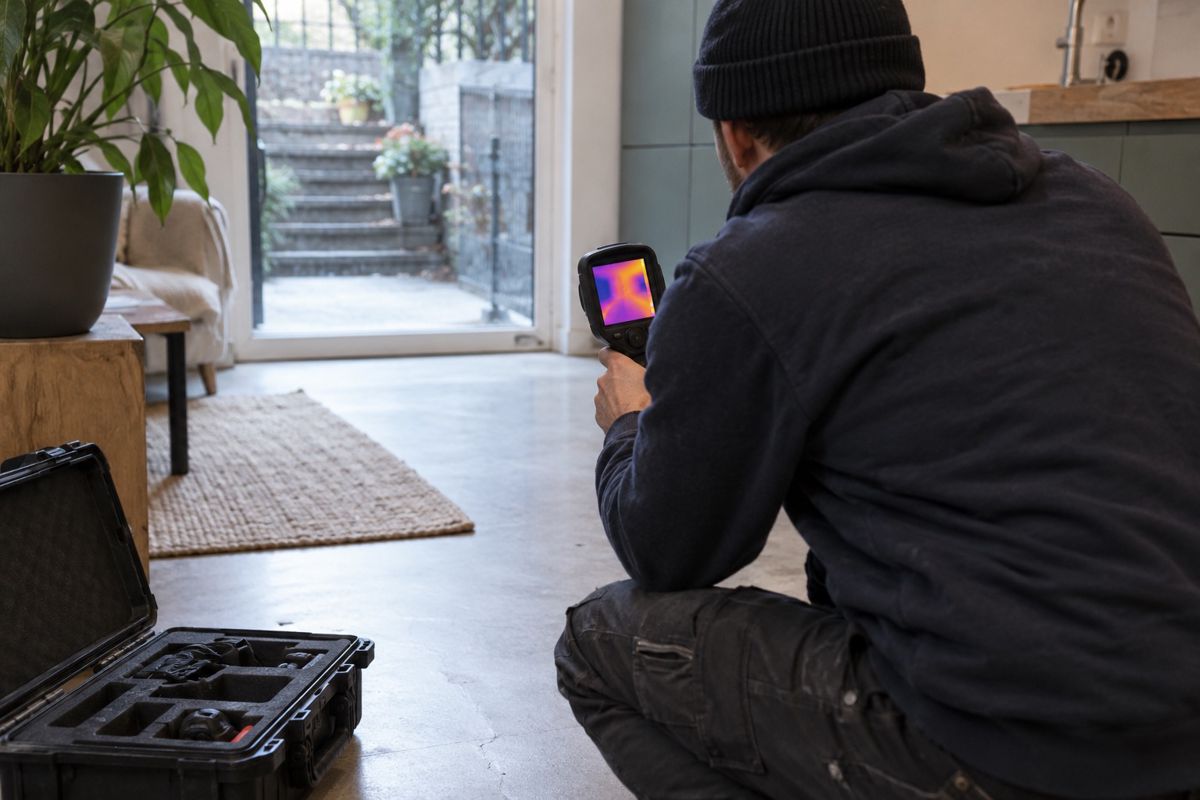
- Thermal imaging can show warm areas where a hot line is leaking.
- Camera inspection checks drain lines from the inside.
No single tool is perfect, so a careful plumber combines two methods before cutting. Once the leak is found, the choices are usually a spot repair, rerouting the line through walls or ceilings, or repiping more of the system if the pipe is worn throughout.
When should you call, and what will your building need?
Call as soon as you have two or more signs, or if the meter keeps moving with everything off. A slow leak does not get cheaper to fix with time, and in an apartment it can reach other homes.
Plan for the paperwork too. As general guidance, plumbing work in New York City is done by or under a licensed master plumber, and many repairs need a permit. Co-ops and condos often require notice to the managing agent, a certificate of insurance and set work hours. Ask the plumber what applies to your job and confirm with your building.
If you suspect a leak, read about slab leak detection and repiping to see how the process works, or go back to the home page to send a request. If water is already spreading, start with the steps on our emergency plumbing page.