Skip to content
Open 24/7Upfront pricing
Call now (212) 555-0188
New York City, NY (212) 555-0188

Hidden leaks in NYC

Slab leak detection and repiping in New York City

Warm spots on a floor, a meter that will not stop or a bill that jumps. We help you find the leak and decide between a repair and repiping.

(212) 555-0188 Call now
  • Non-invasive leak finding where possible
  • Repair or repipe options explained plainly
  • Notes on building approvals and shutoffs
Request a plumber
How soon do you need help?

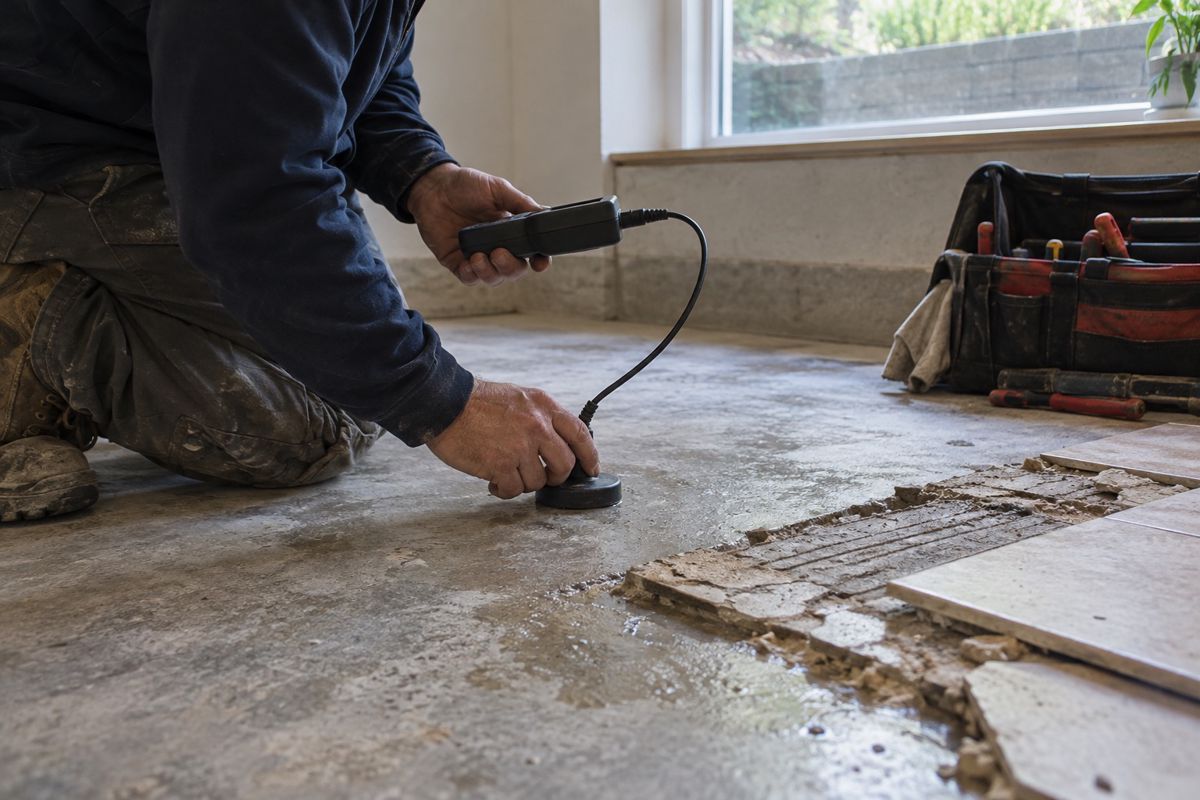
Plumber holding a leak detection device against a concrete floor in a garden apartment

Do slab leaks happen in New York City?

Yes, though less often than in regions where every house sits on a concrete slab. Many New York buildings have basements and crawl spaces. Still, slab leak detection New York City owners need comes up in several kinds of homes.

  • Ground-floor and garden-level apartments built on a concrete slab.
  • Houses and additions built slab-on-grade, which are common in parts of Queens, Brooklyn and Staten Island.
  • Newer townhouses and condo buildings where pipes run in or under a slab.
  • Basement floors with drains or supply lines buried beneath the concrete.
  • Homes with radiant heating pipes in the floor.

A slab leak is a leak in a pipe that runs under or inside a concrete floor. It can be a hot or cold supply line, or a drain. Because the pipe is hidden, the water can run for a long time before anyone knows.

What are the signs of a hidden leak?

You will not see the pipe, so watch for the effects. Several of these together make a leak likely.

  • You hear running water when everything is off.
  • A warm patch on the floor, which can point to a hot water line.
  • Damp carpet, lifting floorboards or cracked tile with no obvious cause.
  • A musty smell or mold along baseboards.
  • Low water pressure or a water heater that runs all the time.
  • A water meter that keeps moving with every fixture closed.

The water bill can mislead you. In many co-ops and condos, water is included in the monthly charge, so you may never see a jump. In a house, the bill rises, but only after a billing cycle. Do not rely on the bill alone. Physical signs matter more.

Tell the building if you suspect a leak. Water under one unit can end up in another. If water is already spreading, read our notes on emergency plumbing.

How is a slab leak found without tearing up the floor?

A good plumber works from the least invasive method to the most. The goal is to open as little floor as possible.

Pressure testing

The plumber isolates sections of piping and checks whether pressure holds. This tells you which line is leaking.

Acoustic listening

Sensitive microphones pick up the sound of water escaping from a pipe, which helps pinpoint the spot on the floor.

Thermal imaging

A thermal camera can show a warm area where a hot line is leaking.

Camera inspection

For drain lines, a camera sent through the pipe can show a crack or a broken joint directly.

No single tool is perfect. The best result usually comes from combining two of them. Ask the plumber how they plan to confirm the location before any cutting starts.

A single leak can often be repaired in one spot. Repiping becomes the better answer when the pipes are failing throughout, not just in one place.

Older New York buildings may have galvanized steel supply lines, which corrode from the inside and restrict flow. Some have old lead pipe or lead solder in places, and owners sometimes want to replace those parts. Ask a plumber about testing your water if lead is a concern. Copper pipe can also develop pinhole leaks over time.

If the same line leaks twice, if the water runs brown, or if pressure has dropped throughout the home, repiping deserves a serious look. Options include rerouting new lines through walls or ceilings to avoid the slab entirely, or repairing under the slab.

New lines are commonly copper or PEX. Each has trade-offs in cost, handling and building rules, so ask which one your building accepts. In an apartment, the risers belong to the building, so work often has to be coordinated with the managing agent and neighbors.

What affects price, timeline and approvals?

No one can price a hidden leak without finding it first. Expect these factors to shape the estimate.

  • Whether the leak is in one line or many.
  • How much floor, wall or ceiling must be opened.
  • The floor finish, such as tile, hardwood or concrete, and who restores it.
  • The number of fixtures and the length of piping in a repipe.
  • The new pipe material.
  • Permits and any inspection steps.

Detection can often be done in a visit. A repair may take a day or two. A full repipe takes longer, and the water will be off for part of each day. Ask about how the work is staged.

As general guidance, repiping must be done by or under a licensed master plumber and usually needs a permit. In a co-op or condo, board approval and insurance paperwork are common. If the leak is tied to a drain, sewer line repair may be part of the answer. You can also begin on the home page.

Open 24/7 Upfront pricing Clear communication Local plumbers

Questions about emergency plumber in New York City

What is a slab leak?

A slab leak is a leak in a water or drain pipe that runs under or inside a concrete floor. It can be hard to notice because the pipe is hidden. Signs include warm floor spots, the sound of running water, damp flooring and higher water use. It needs to be found before it can be repaired.

Can slab leaks be found without breaking the concrete?

Often, yes. Plumbers use pressure tests, listening equipment and thermal cameras to narrow the location. Some opening of the floor is usually still needed to reach the pipe for repair. A good plumber confirms the spot first so the opening stays as small as possible.

Is my building likely to have pipes in a slab?

Most pre-war buildings run pipes in walls, ceilings and basements rather than in a slab. Ground-floor units, garden apartments, newer buildings and slab-on-grade houses are more likely. If you are unsure, ask the managing agent for plans or ask a plumber to check.

Should I repipe or just repair the leak?

Repair makes sense for a single leak in otherwise sound pipe. Repiping makes sense when the pipes are old, have leaked more than once, or restrict flow throughout. A plumber can look at the material and the leak history and explain the trade-offs. Ask for both options in writing.

Will repiping need building approval?

In a co-op or condo, usually yes. Risers and shared walls often belong to the building, and many buildings require notice, insurance paperwork and set work hours. Check your house rules and ask the managing agent before you schedule work.

How soon do you need help?

Ready when you are

Call now or request a quote online.

(212) 555-0188

How it works

  1. Call or tap for help

    Tell us what is wrong. We answer around the clock.

  2. Plumber dispatched

    The nearest plumber heads your way with a stocked van.

  3. Fixed with a written price

    You approve the price before any work starts.

Takes about 30 seconds. Request a plumber