Skip to content
Open 24/7Upfront pricing
Call now (212) 555-0188
New York City, NY (212) 555-0188

Sewer lines in NYC

Sewer line repair and trenchless replacement in New York City

Backups in a basement drain, slow lines in the whole house or a smell near the foundation. We help you find the cause and weigh your options.

(212) 555-0188 Call now
  • Camera inspection to see the actual problem
  • Trenchless lining where the line allows it
  • Plain explanation of permits and who pays
Request a plumber
How soon do you need help?

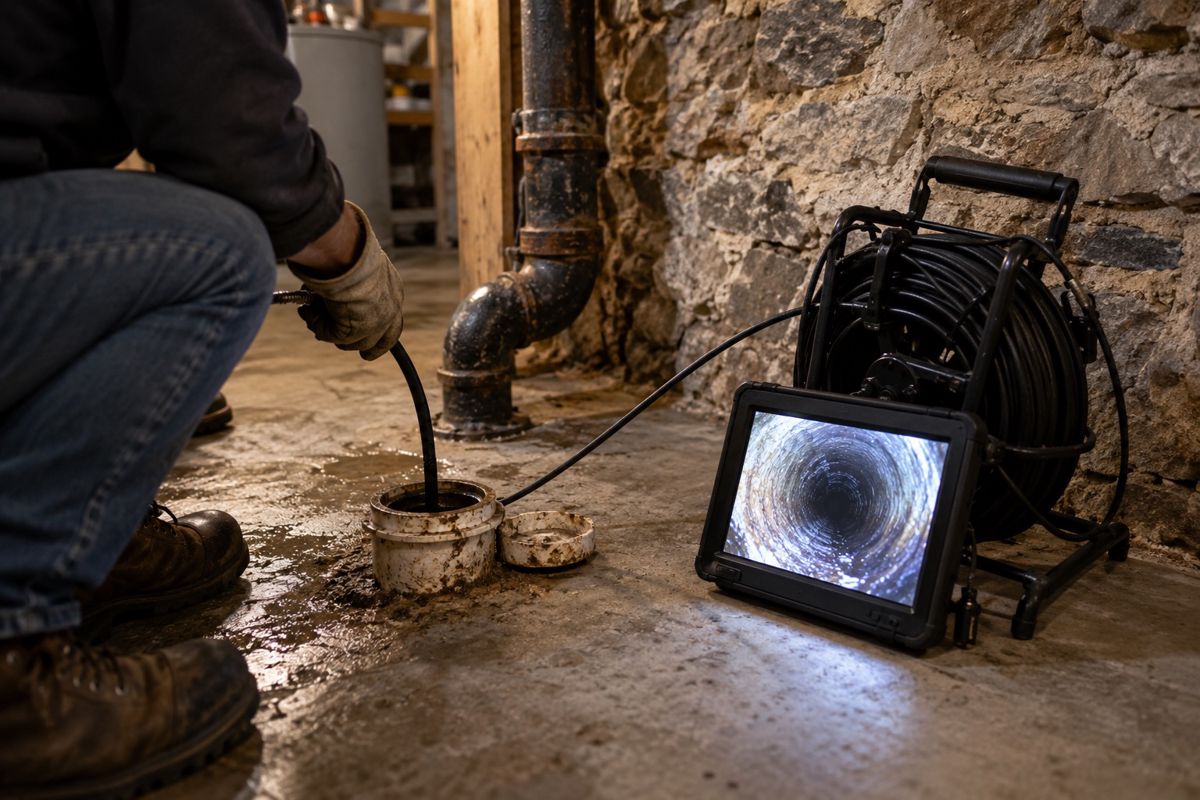
Sewer camera cable running into a basement cleanout in a row house

What are the warning signs of a failing sewer line?

The sewer line carries waste from the building out to the city sewer. When it fails, the symptoms show up everywhere in the plumbing, not in one fixture. For sewer line repair New York City owners should look for these signs.

  • Water backs up in a basement floor drain, laundry sink or lowest toilet.
  • Several fixtures drain slowly at the same time.
  • Toilets gurgle when you run a washer or a tub.
  • A sewage smell near drains or outside the foundation.
  • Damp spots, sunken ground or new pests near the line.
  • Clogs that return soon after cleaning.

A camera inspection is the standard way to see what is happening inside. It shows roots, cracks, offset joints, a sagging section or a collapse. Start with drain cleaning if the line is only blocked, and move to repair when the camera shows damage.

Who is responsible for the sewer line in New York City?

As a general rule, the city maintains the sewer main under the street, and the property owner is responsible for the house connection, the pipe that runs from the building to the main. The Department of Environmental Protection handles the system in the street. There are exceptions, so ask your plumber and confirm with the city for your address.

For a one, two or three-family house, that means the owner. For a co-op or condo, the building corporation or association usually carries the responsibility, and unit owners should speak with the managing agent rather than hire a plumber on their own.

Any work in the street or sidewalk is a bigger undertaking. It generally involves city permits, traffic and utility coordination, and restoration of the pavement afterward. A good plumber explains this before you commit, because it can affect timing as much as price.

What are the trenchless repair options?

Trenchless methods repair a pipe without digging a long open trench. In a dense city with sidewalks, basements, gardens and utilities close together, that can be a real advantage.

Pipe lining

A resin-coated liner is pulled into the old pipe and cured, forming a new pipe inside the old one. It suits lines that are cracked or leaky but still hold their shape.

Pipe bursting

A new pipe is pulled through while the old one is broken apart outward. It can replace a line that is too damaged to line.

Open trench

Sometimes digging is the right answer. A collapsed section, a major sag or a short run may call for it. The camera inspection decides.

Trenchless does not mean no access work. Pits are usually needed at both ends. It also is not available for every line. Ask the plumber why they recommend a given method and what could change the plan.

Sewer work is regulated closely. As general guidance, it must be done by or under a licensed master plumber, and repairs to the house connection usually require permits and an inspection. Work in the street may need additional city permits. Rules change, so ask what is needed for your job.

Plan for access as well. The plumber may need a clear path to the basement, a cleanout or a yard, and sometimes to the sidewalk. Utilities must be marked before digging. Tree roots, fences, steps and shared walls between attached houses can all slow the job.

Tell neighbors if work will affect a shared line or block the sidewalk. For attached houses, a shared or party sewer connection is not unusual, and the repair may involve both owners. Raise this early so it does not hold up the job.

If a backup is already causing damage, see emergency plumbing for the first steps.

What affects the price and the timeline?

Sewer repairs range from a short spot repair to a full line replacement, so no one can responsibly give a number without a camera inspection. These factors drive the cost and the schedule.

  • The length of line to repair and how deep it runs.
  • The pipe material and its condition.
  • Whether the repair is lined, burst or dug open.
  • How much of the work is in the street or sidewalk.
  • Permit and inspection steps.
  • Restoration of floors, landscaping or pavement.

A simple lining job can be done in a day or two once everything is in place. Jobs with street work or permit steps can stretch to weeks because of scheduling. Ask for a written scope and a timeline that names the steps the city controls.

Sewer problems can also hide under a floor. If you suspect water is escaping below a slab, read about slab leak detection, or send a request from the home page.

Open 24/7 Upfront pricing Clear communication Local plumbers

Questions about emergency plumber in New York City

How do I know the problem is the sewer line and not a clog?

A clog usually affects one fixture. A sewer line problem shows up in several fixtures, especially the lowest ones, and tends to return after cleaning. A camera inspection shows the inside of the pipe and gives you proof of cracks, roots or a collapse before you spend on a repair.

Is trenchless repair always cheaper?

Not always. It can save on digging and restoration, which are costly in a dense city, but the lining or bursting itself has a cost. It also does not suit every line. A collapsed or badly offset pipe may need open digging. Compare written scopes for each option.

Do I need a permit for sewer repair?

Usually yes for work on the house connection, and street work needs more. The permits are generally handled by a licensed master plumber. The details depend on the job, so ask your plumber what is needed and confirm with the city if you want to be certain.

Can tree roots really damage a sewer pipe?

Yes. Roots seek water and can enter through small cracks or loose joints in older clay and cast iron lines. Once inside, they grow and catch debris. Cutting roots clears the line for a while, but a damaged pipe usually needs lining or replacement to stop repeat backups.

What should I do if my basement drain is backing up now?

Stop using water in the building, move belongings away from the drain and keep people away from the sewage. Call a plumber and tell your building contact if you live in a co-op or condo. Do not use chemical cleaners. Take photos for your records and for any insurance claim.

How soon do you need help?

Ready when you are. Call now or request a quote online.

How it works

  1. Call or tap for help

    Tell us what is wrong. We answer around the clock.

  2. Plumber dispatched

    The nearest plumber heads your way with a stocked van.

  3. Fixed with a written price

    You approve the price before any work starts.

Takes about 30 seconds. Request a plumber