Skip to content
Open 24/7Upfront pricing
Call now (212) 555-0188
New York City, NY (212) 555-0188

Lofts, walk-ups and waterfront towers

Plumber in Williamsburg for lofts, walk-ups and newer condos

Leaks, slow drains, hot water trouble and sewer lines in Williamsburg lofts, rowhouses and condo buildings. Send your details and we confirm availability.

(212) 555-0188 Call now
  • Houses, brownstones, co-ops, condos and walk-ups
  • Written quote before non-emergency work starts
  • Clear advice on permits and building rules
Request a plumber
How soon do you need help?

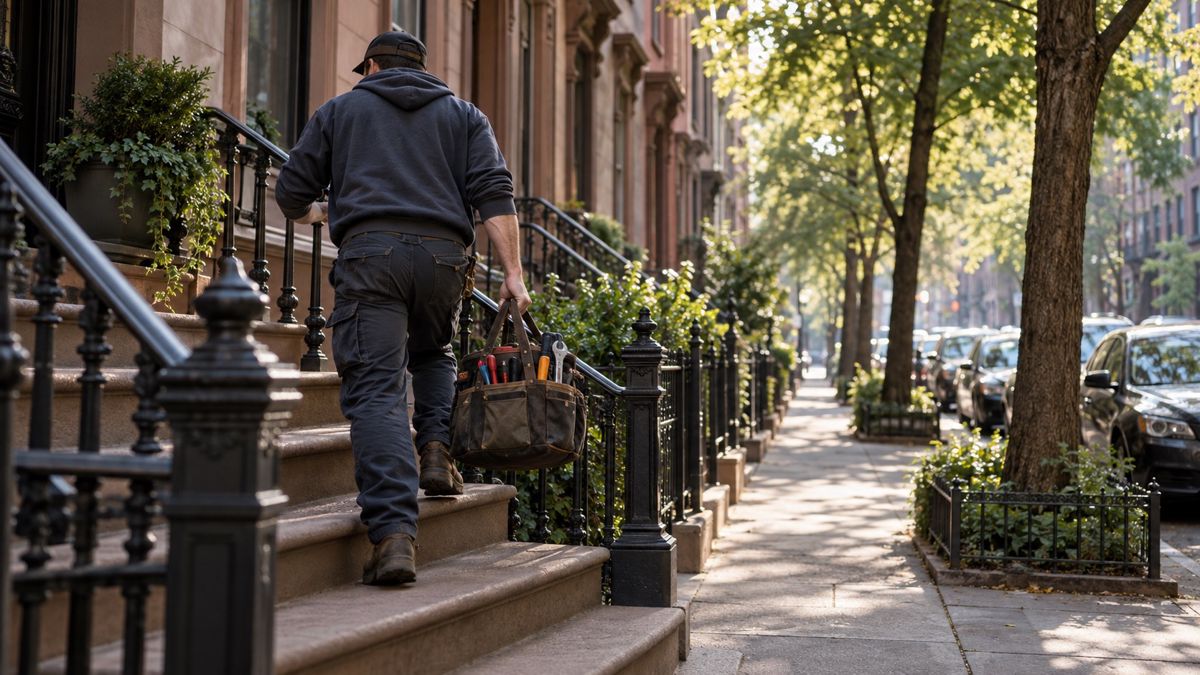
Plumber carrying a tool bag toward a Brooklyn brownstone front stoop in morning light

Open 24/7 Upfront pricing Clear communication Local plumbers

A neighborhood built from very different eras

Williamsburg mixes tenement-style walk-ups and small wood or brick rowhouses with former factory buildings turned into lofts and a growing line of newer condo towers near the East River. Each type asks something different of a plumber.

The older walk-ups tend to have worn drain stacks and mixed supply pipe. Loft conversions often have long horizontal runs added when a floor was divided into apartments. Newer buildings usually have plastic or copper lines in tight chases. A leak in any of them behaves differently, so we ask about the building before we guess about the cause.

Bedford Avenue, the BQE and getting around Williamsburg

Many people reach Williamsburg by the L train, the Williamsburg Bridge or the Brooklyn-Queens Expressway, and the streets around Bedford Avenue are busy for much of the day. Loading zones are limited, and some side streets carry truck routes and deliveries.

Low-lying blocks closer to the waterfront can also see basement water after heavy rain, which sometimes shows up as a floor drain backing up. We note the address, the street conditions and whether the water is coming from a drain or from a supply pipe, because the first questions on the phone decide how fast we can help.

Which plumbing services we offer in Williamsburg

Whether you rent, own a condo or manage a small building, you can ask us about any of these.

In a converted factory, plumbing was sometimes added after the building's structure was set. That can mean exposed pipe, thick floors and drains that run a long way to reach a stack.

  • Slope. Long drain runs need enough fall to carry waste, and some loft lines were laid with very little.
  • Concrete floors. Reaching a pipe may mean cutting or coring a slab, which needs planning and approval.
  • Noise and hours. Work rules in residential conversions can limit when machines can run.

These factors affect timing and scope, so we raise them in the quote rather than after the work starts.

Condo rules, permits and what to ask your building

Condo and co-op buildings in Williamsburg usually have their own alteration rules. Before a plumber arrives, ask the managing agent about working hours, elevator use and insurance paperwork. Work that touches shared risers, gas lines or fire-rated walls can need written approval.

Many plumbing jobs in the city also require a permit filed through a master plumber. Smaller repairs such as replacing a faucet often do not, and we can tell you which category your job fits.

Ask these questions early. Learning about a missing form or a booking rule on the day of the visit can push the work back, and a short call to the managing agent usually avoids that.

Steps to request a plumber in Williamsburg

Use the form or call (212) 555-0188. We serve Williamsburg and confirm availability after your request.

  1. Tell us the street, the building type and your floor.
  2. Say whether the trouble is hot water, a clog, a leak or a smell.
  3. Add photos of the fixture, the ceiling or the floor drain.
  4. We discuss likely causes and decide whether an in-person look is needed.
  5. A written quote follows for non-emergency work, so you can compare it before saying yes.

Our about page explains how we quote and what you can expect.

How soon do you need help?

Questions about Williamsburg

My Williamsburg basement floor drain is bubbling after heavy rain. What does that mean?

It often means the building's drain is struggling to carry the water away, or that the sewer in the street is full. Avoid running water inside until it settles, and keep valuables off the floor. A plumber can check for blockages and talk about a backwater valve. Persistent backups call for a camera look at the line.

Can a plumber work in a loft that has concrete floors?

Yes, but pipe inside or under concrete takes planning. Leak detection tools can narrow down the spot, and cutting or coring needs approval and cleanup arrangements. In a condo you may also need board consent. We explain the likely scope before you decide whether to open the floor or reroute the line.

Why does hot water run out quickly in my newer condo?

Common causes include a small tank for the number of fixtures, a failed heating element or burner, sediment buildup, or a faulty mixing valve. Some buildings use central hot water and the issue is outside your unit. We check which setup you have first, since the fix depends on it.

Is trenchless sewer repair realistic for a small Brooklyn rowhouse?

Often it can be, depending on the pipe's condition and how many bends it has. Lining or bursting avoids digging up the full length, though an access pit is usually still needed. A collapsed section may require excavation. A camera inspection gives a fair idea of which method suits your line.

What should a landlord or building manager do first about repeated clogs?

Find out whether the clogs are limited to one apartment or appear across a stack. Keep a short record of dates and locations. A single unit points to a branch line, while many units point to the main stack. Sharing that record with us makes the first conversation much more productive.